


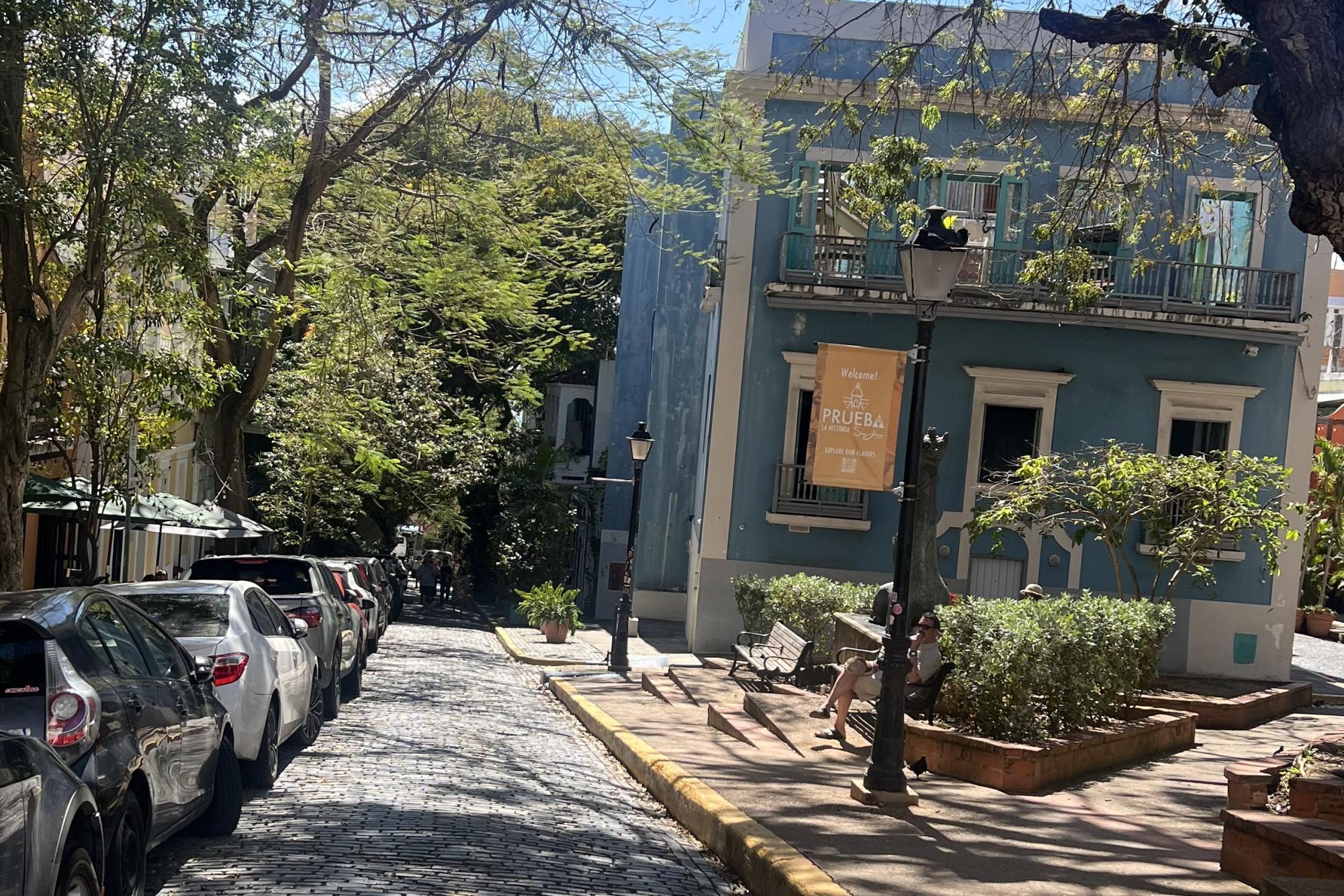
The visual appearances of locations all over the world are each intriguing and unique in how they reflect the stories behind where they originate. The beautiful town of Old San Juan is an excellent example of this, and shows how its colorful houses, interesting cobblestone and stunning architecture have more meaning to them than mere aesthetic appeal. All of these aspects of this U.S. territory are rooted in a deep cultural history that is as interesting as it is educational.
One of the most eye-catching features found in the capital of Puerto Rico is the infamous blue cobblestones that line several of the main streets. These walkways and roads are not simply there to be admired, but tell a story of Puerto Rico’s colonial relationship with Spain. After 1493, when Spain first began colonizing Puerto Rico, Spanish ships offloaded stones used to keep the vessels buoyant and stable when extracting valuable materials like gold and sugar from San Juan. These stones, which to the Spanish were simply insignificant debris, were then used by road builders as the city became more urbanized and populated. Altogether, this history encapsulates how these blue blocks found all over San Juan provide context for the exploitation of Puerto Rico’s natural resources in the name of colonization and exploration during the 15th and 16th centuries.
Additionally, the actual architecture behind many of Old San Juan’s buildings is very telling of the city’s origins as a military town. The colorful colonial buildings that serve as residences for San Juan citizens are especially rich in history. When they were built, the iconic, vibrant houses and buildings that follow the town’s equally captivating cobblestone streets were completely bland. Similar to many of the 16th-century Spanish forts also found on the island and surrounding landmasses, these buildings were nothing more than cement colored blocks. However, as time wore on and people began living in San Juan as a permanent home and tourism started to become more globalized, the city’s visuals changed as well. At first, lime-based washes and natural pigments were used as protection from heat and humidity, which would eventually lead to hues of blue, yellow and coral. Later, the colors were often hand-picked by homeowners; this both established a uniqueness to the city and increased visitation.
Old San Juan and the history rooted in its foundations serve as a reminder that there’s meaning in small details if you look close enough and that a story often lies behind something beautiful. When people take things they see for granted, they don’t realize what can be gained from taking a second to observe the world around them. Colorful buildings and architecture are only the beginning when it comes to what can be learned in San Juan, not just from apparent aspects of the city like chapels, forts and museums, but from the very roads it was built on.


